
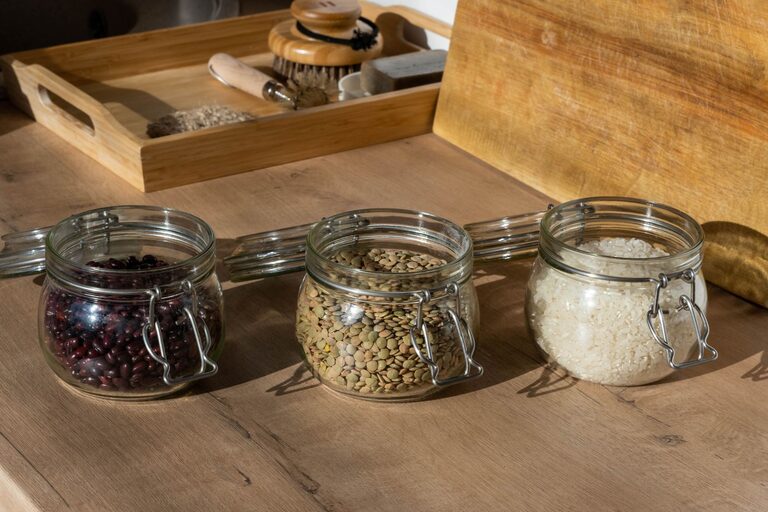
Planning meals from pantry staples can make cooking easier, reduce food waste, and simplify grocery shopping. Instead of starting with a specific recipe every day, begin by looking at what you already have. A few basic ingredients can become several different meals when you combine them thoughtfully.
The key is to plan around flexible ingredients rather than one-time-use products. Grains, beans, canned vegetables, pasta, spices, and shelf-stable sauces can serve as the foundation for breakfasts, lunches, dinners, and snacks.
Start With a Pantry Check
Before making a meal plan, take a quick inventory of your kitchen. Check the pantry, refrigerator, and freezer. Group similar items together so you can see what is available.
Look for:
– Grains such as rice, oats, pasta, couscous, and quinoa
– Canned or dried beans and lentils
– Canned tomatoes, corn, peas, and other vegetables
– Shelf-stable proteins such as canned tuna, salmon, or chicken
– Baking ingredients such as flour, sugar, and baking powder
– Nuts, seeds, peanut butter, and other spreads
– Broth, cooking oils, vinegar, and sauces
– Frozen vegetables, meat, poultry, and fruit
As you check each item, note how much you have and whether it needs to be used soon. You may also find partial packages that can be combined into one meal.
Build Meals Around Simple Categories
A useful way to plan from pantry staples is to build each meal from a few basic categories:
- **A main carbohydrate** for energy and texture
- **A protein source** for staying power
- **A vegetable or fruit** for color and variety
- **A sauce, seasoning, or topping** for flavor
For example, rice, black beans, canned tomatoes, and chili powder can become a simple rice bowl. Pasta, canned tuna, frozen peas, and olive oil can make a quick pasta dish. Oats, peanut butter, cinnamon, and a banana can become a filling breakfast.
This approach is more flexible than following a recipe exactly. If you do not have one ingredient, you can often replace it with another item from the same category.
Choose a Few Meal Themes
Planning by theme helps you avoid making the same meal repeatedly. Choose three or four themes for the week, then adapt them to the ingredients you have.
Grain Bowls
Use rice, quinoa, couscous, or another grain as the base. Add beans, canned fish, leftover chicken, or a fried egg. Finish with vegetables, salsa, dressing, or a simple mixture of oil and vinegar.
Pasta Meals
Pasta can be paired with canned tomatoes, pesto, beans, tuna, frozen vegetables, or leftover roasted vegetables. Garlic, dried herbs, and grated cheese can add flavor without requiring many extra ingredients.
Soups and Stews
Broth, canned tomatoes, beans, lentils, pasta, and frozen vegetables can create a satisfying soup. Use herbs and spices to change the flavor. A tomato-based soup can taste very different from a broth-based soup even when they use many of the same ingredients.
Tacos and Wraps
Tortillas, flatbreads, or even lettuce leaves can hold beans, rice, canned chicken, vegetables, and shredded cheese. Add salsa, hot sauce, yogurt, or a squeeze of lime if available.
Breakfast for Any Time
Eggs, oats, toast, beans, potatoes, and fruit are useful beyond breakfast. Scrambled eggs with leftover vegetables, savory oatmeal with an egg, or toast with peanut butter can work for a quick meal at any time of day.
Plan Ingredients That Work Twice
One of the best ways to save time is to prepare ingredients that can be used in more than one meal. For example, cook a large batch of rice and use it for a grain bowl, fried rice, and soup. A pot of beans can be served with rice, added to tacos, or stirred into chili.
Other useful combinations include:
– Cooked pasta for a hot dinner and a cold pasta salad
– Roasted vegetables for grain bowls, wraps, and omelets
– Shredded chicken for soup, sandwiches, and tacos
– Hard-boiled eggs for breakfast, salads, and snacks
– A tomato sauce used for pasta, pizza, or a vegetable skillet
When planning, write down the main ingredient and at least two ways to use it. This keeps leftovers interesting and helps prevent waste.
Create a Flexible Weekly Plan
A detailed schedule can be helpful, but it does not need to be rigid. Plan a few main meals and leave room for leftovers or changes.
A simple weekly structure might look like this:
– Day one: Rice bowls with beans and vegetables
– Day two: Pasta with tomato sauce and frozen vegetables
– Day three: Leftover rice and beans made into tacos
– Day four: Lentil or bean soup with toast
– Day five: Baked potatoes with toppings
– Day six: Flexible leftovers
– Day seven: Simple breakfast-style meal or homemade pizza
This plan uses overlapping ingredients without requiring the same dish every day. It also includes a flexible day, which is useful if plans change or you have more leftovers than expected.
Keep a Short Shopping List
After checking your pantry and choosing meals, buy only the items needed to complete the plan. Focus on fresh ingredients that add variety or fill a gap.
You might need:
– Fresh fruit
– Salad greens or fresh vegetables
– Eggs, milk, or yogurt
– Cheese
– Bread or tortillas
– One or two fresh proteins
– Lemon, lime, or fresh herbs
Avoid buying several ingredients that serve the same purpose unless you know you will use them. For example, choose either tortillas or flatbread for wraps rather than purchasing both. A short list makes shopping faster and helps you use what is already at home.
Add Flavor With Basic Seasonings
Pantry meals do not have to taste plain. A small selection of seasonings can create different flavor combinations from the same base ingredients.
Useful options include:
– Garlic powder and onion powder
– Black pepper and paprika
– Chili powder or red pepper flakes
– Italian seasoning
– Curry powder
– Soy sauce or vinegar
– Mustard, salsa, or hot sauce
– Peanut butter or tahini
Try changing the seasoning instead of changing the main ingredients. Rice, beans, and vegetables can become a taco-style bowl with chili powder and salsa, or a savory bowl with soy sauce, garlic, and sesame seeds.
Use a Mix-and-Match Formula
When you are short on time, use a basic formula instead of searching for a new recipe:
Base + protein + vegetable + flavor
Examples include:
– Oats + peanut butter + banana + cinnamon
– Rice + beans + corn + salsa
– Pasta + tuna + peas + lemon and pepper
– Toast + eggs + spinach + hot sauce
– Potatoes + lentils + tomatoes + curry powder
This formula works with almost any combination of staples. It also makes it easier to adjust portions, use leftovers, and accommodate different preferences at home.
Store Food So It Is Easy to Use
Good storage supports good meal planning. Keep frequently used ingredients where they are easy to see. Store opened packages in sealed containers and label leftovers with the date.
If you cook in advance, divide food into smaller containers so it can cool and be used conveniently. Keep a clear “use first” area in the refrigerator for leftovers and ingredients that should be eaten soon.
Once a week, review what remains and plan one meal around older items. This small habit can reduce waste and keep your pantry organized.
Make the Plan Work for You
The goal of pantry meal planning is not to create a perfect schedule. It is to make everyday cooking more manageable. Start with a few reliable staples, choose flexible meal themes, and plan ingredients that can be reused.
With practice, you will begin to see meals as combinations rather than fixed recipes. A can of beans, a bag of rice, and a few seasonings can support several different dishes. By building on what you already have, you can cook with less stress, shop with more purpose, and make better use of your kitchen staples.
About the Author