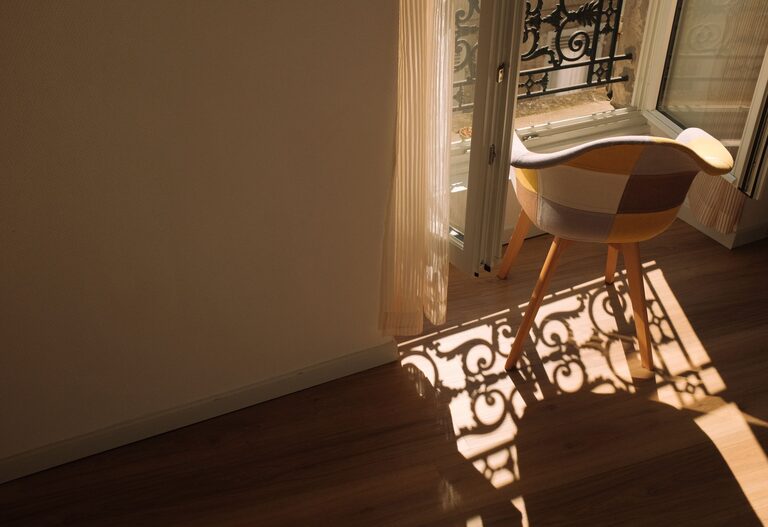
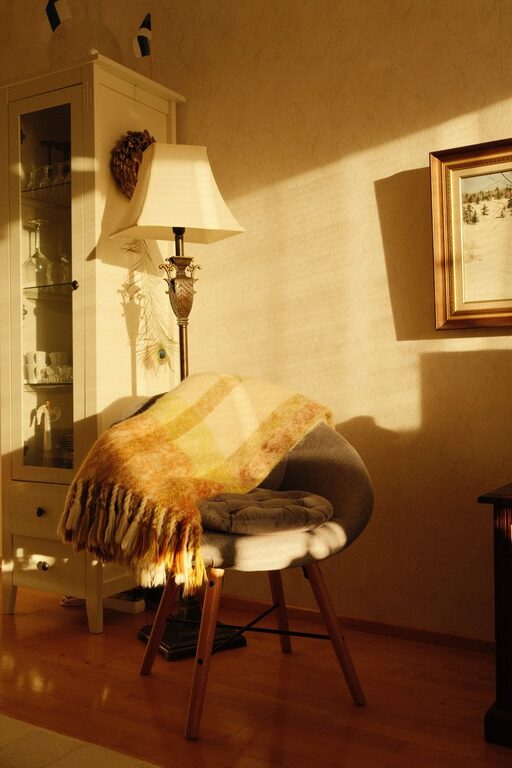
Comfortable lighting can make a home feel warm, calm, and easy to use. The right light helps you see clearly without creating harsh glare, dark corners, or an overly bright atmosphere. It also supports the way each room is used, from relaxing in the living room to preparing meals in the kitchen.
Choosing lighting does not have to be complicated. By considering brightness, color, placement, and control options, you can create a comfortable lighting plan that works throughout your home.
Start With the Three Main Types of Lighting
A balanced room usually includes three types of lighting: ambient, task, and accent lighting. Each type serves a different purpose, and combining them helps prevent a space from feeling either too dim or too harsh.
Ambient lighting
Ambient lighting provides general illumination for the room. It may come from ceiling fixtures, recessed lights, chandeliers, or wall-mounted lights. This is the basic layer that allows you to move around safely and see the overall space.
Choose ambient lighting that spreads light evenly rather than creating one very bright spot in the center of the room. Fixtures with frosted shades, fabric covers, or diffusers can soften the light and reduce glare.
Task lighting
Task lighting provides focused light for specific activities. Examples include:
– Under-cabinet lights for kitchen counters
– Desk lamps for reading or working
– Vanity lights for grooming
– Floor lamps beside a chair
– Bedside lamps for reading
Task lighting should be bright enough for the activity but positioned so it does not shine directly into your eyes or cast unwanted shadows.
Accent lighting
Accent lighting highlights features such as artwork, shelves, plants, or architectural details. It can also add depth and personality to a room.
Examples include picture lights, small spotlights, wall sconces, and LED strips. Accent lighting is not essential for seeing, but it can make a room feel more inviting and complete.
Choose the Right Color Temperature
Light bulbs are available in different color temperatures, which describe whether the light looks warm, neutral, or cool. Color temperature is measured in Kelvin, often shown as a number followed by the letter K.
– Warm white, around 2700K to 3000K: Soft and welcoming, suitable for living rooms, bedrooms, and dining areas
– Neutral white, around 3500K to 4000K: Clear without feeling too blue, useful for kitchens, bathrooms, and home offices
– Cool white, around 4000K to 5000K: Crisp and bright, often used in workshops, garages, or utility areas
For most living spaces, warm or neutral white light is a comfortable choice. Very cool light can feel stark when used throughout a home, while very warm light may not provide enough clarity for detailed tasks.
Try to keep the color temperature consistent within one room. Using bulbs with noticeably different tones can make the space look uneven.
Pay Attention to Brightness
Brightness is usually measured in lumens. A higher lumen rating means the bulb produces more light. Wattage, on the other hand, measures energy use and is less useful for comparing brightness when choosing LED bulbs.
The ideal brightness depends on the room, its size, the color of the walls, and the activities performed there. A small bedroom may need less light than a large kitchen, while a room with dark finishes may require more illumination than one with white walls.
Instead of relying on one powerful fixture, consider using several lower-output light sources. Multiple fixtures allow you to spread light more evenly and create a softer atmosphere.
Dimmers are also helpful. They let you adjust brightness for different times of day and activities. Before installing a dimmer, check that it is compatible with the bulbs and fixtures you plan to use.
Reduce Glare
Glare occurs when a light source is so bright or poorly positioned that it becomes uncomfortable to look at. It can make screens, glossy surfaces, and mirrors difficult to use.
To reduce glare:
– Choose shades or diffusers that cover exposed bulbs
– Avoid placing bright lights directly in your line of sight
– Position desk and floor lamps beside, rather than directly in front of, seating areas
– Use adjustable fixtures to direct light where it is needed
– Avoid placing ceiling lights where they reflect directly on a television or computer screen
– Use curtains or blinds to balance strong daylight
Matte finishes on walls, furniture, and countertops can also help reduce reflections.
Match Lighting to Each Room
Different rooms need different combinations of light. Start by thinking about how each space is used.
Living room
Use a mix of ambient, task, and accent lighting. A ceiling fixture can provide general light, while floor lamps and table lamps create smaller pools of illumination. Add dimmers so the room can shift from bright and practical to soft and relaxing.
Kitchen
Kitchens benefit from bright, even lighting. Combine ceiling lights with task lighting under cabinets or above work surfaces. Make sure the lights do not leave your body casting a shadow across the counter as you prepare food.
Pendant lights can work well over an island or breakfast bar, provided they are high enough to avoid blocking views.
Bedroom
Bedrooms usually feel most comfortable with warm, gentle lighting. Use bedside lamps or wall-mounted reading lights instead of relying only on a central ceiling fixture. A dimmer or three-way bulb can make it easier to adjust the room for reading, relaxing, or getting dressed.
Bathroom
Bathrooms need clear light around mirrors and grooming areas. Lights placed on both sides of a mirror can provide more even illumination than a single light above it. Choose fixtures designed for bathroom use and follow local safety requirements for placement near water.
Home office
A home office needs dependable task lighting. Place a desk lamp so it lights your work without creating reflections on a monitor. If possible, position the desk near a window for natural light, but use blinds or curtains to control glare during bright parts of the day.
Select Fixtures That Suit the Space
A fixture should fit the room both visually and physically. Consider the ceiling height, furniture arrangement, and size of the space before making a purchase.
Large fixtures can overwhelm a small room, while tiny fixtures may look out of place in a large area. Check the fixture’s dimensions and installation requirements. For low ceilings, flush-mount or semi-flush fixtures may be more practical than hanging lights.
Choose materials and finishes that work with your existing decor, but prioritize light distribution and ease of use over appearance alone. A beautiful fixture is less useful if it produces harsh shadows or is difficult to clean.
Use Smart and Simple Controls
Comfortable lighting is easier to manage when you can control it conveniently. In addition to dimmers, consider timers, motion sensors, or smart bulbs where they make sense.
Motion sensors can be useful in hallways, closets, and entryways. Timers can help outdoor or porch lights operate automatically. Smart bulbs may allow you to adjust brightness and color temperature, but simple wall switches are often the most reliable choice for everyday use.
Plan Before You Buy
Before replacing fixtures or bulbs, walk through each room at different times of day. Notice where shadows fall, which areas feel too bright, and where extra light would make an activity easier.
A simple plan can include:
- The main purpose of each room
- Areas that need focused task lighting
- Current sources of glare or shadows
- Preferred color temperature
- Whether dimmers or other controls are needed
- The size and style of suitable fixtures
Comfortable home lighting comes from flexibility and balance. Use several layers, select colors that suit each room, reduce glare, and choose controls that let you adjust the atmosphere. With a thoughtful plan, even a small change—such as adding a lamp or installing under-cabinet lighting—can make your home feel more welcoming and practical.
About the Author