A dark room can feel cozy, peaceful, and inviting, but it may also seem smaller or less welcoming than you would like. Fortunately, you do not need a major renovation to make the space feel brighter. A few thoughtful updates to lighting, color, furniture, and accessories can create a noticeable difference.
Whether you are working with small windows, limited natural light, or dark finishes, these simple ideas can help your room look and feel lighter.
Start With a Layered Lighting Plan
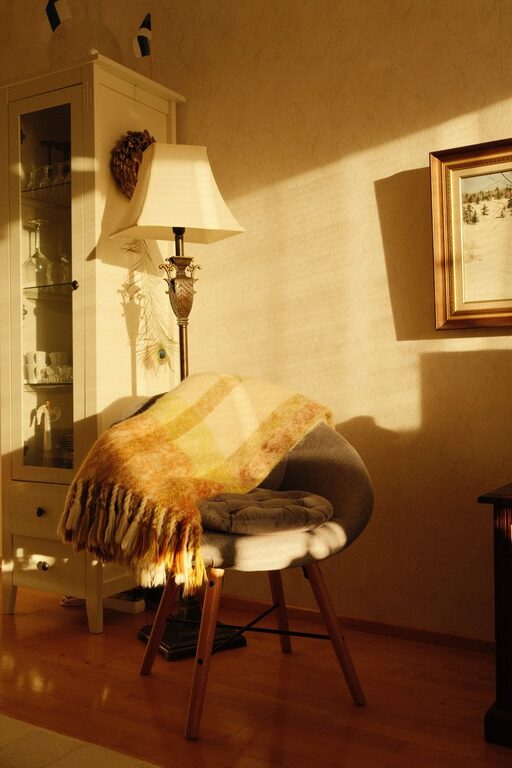
The fastest way to brighten a dark room is to improve its lighting. Rather than relying on one ceiling fixture, combine several light sources at different heights. This creates a softer, more balanced look and helps eliminate shadowy corners.
Try using:
– A ceiling light for general illumination
– Floor or table lamps for focused light
– Wall sconces for extra brightness
– Small accent lights on shelves or cabinets
– Under cabinet lighting in a kitchen or work area
Place lights around the room instead of grouping them in one spot. For example, a lamp beside a sofa, a small light on a side table, and a ceiling fixture can make the entire room feel more evenly lit.
Choose bulbs with a warm or neutral white tone, depending on the mood you want. Warm light creates a comfortable atmosphere, while neutral white light can make a room feel clean and fresh. If possible, choose fixtures with adjustable brightness so you can change the lighting throughout the day.
Do Not Forget the Corners
Dark corners can make a room feel closed in. A slim floor lamp, a small table lamp, or a plug in wall light can bring attention to these overlooked areas. Even a simple rechargeable lamp can help if adding new wiring is not practical.
Use Light Colors on Walls and Ceilings
Light paint colors reflect more light and can make a room appear more open. White is a classic choice, but it is not the only option. Soft shades such as cream, pale gray, light beige, muted blue, and gentle green can also brighten a space without making it feel plain.
When choosing a paint color, test a few samples on different walls. Natural and artificial light can change how a color looks throughout the day. A shade that appears bright in the morning may look darker in the evening.
Painting the ceiling a light color can also create a greater sense of height. If the walls are already light, consider using the same color or a slightly lighter version on the ceiling for a smooth, spacious effect.
Consider the Finish
A satin or eggshell finish can reflect a small amount of light while remaining easy to maintain. Matte finishes can look elegant and hide minor wall imperfections, but they reflect less light. The best choice depends on the room and the look you prefer.
Add Mirrors to Reflect Light
Mirrors can make a room feel brighter by reflecting both natural and artificial light. Place a mirror across from or near a window to spread daylight around the space. You can also position one opposite a lamp or wall light to increase the effect after sunset.
A large mirror can make a strong impact, but a group of smaller mirrors can work just as well. Try a collection of simple frames arranged on one wall, or use mirrored furniture and decorative panels as subtle alternatives.
Avoid placing mirrors where they reflect clutter, unfinished areas, or an unattractive view. The best reflection is something bright, calm, or visually pleasing.
Keep Windows Clear
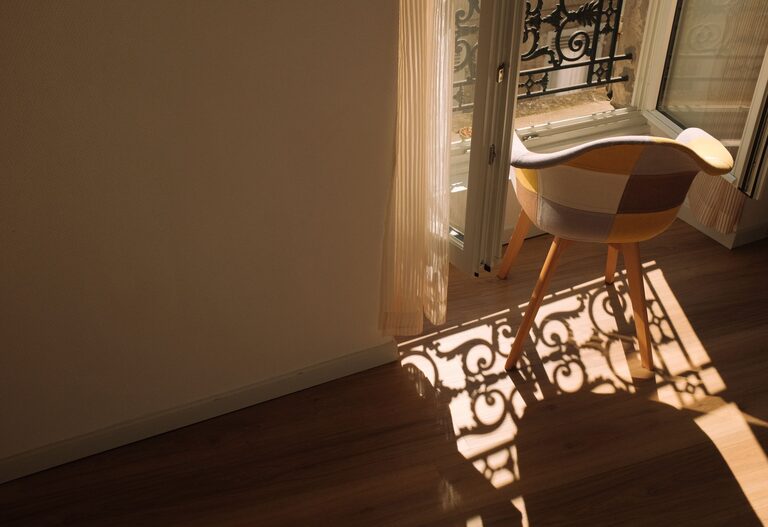
Heavy curtains and crowded window areas can block valuable daylight. Replace thick, dark window treatments with lightweight curtains in a pale color. Sheer panels allow light to enter while still providing privacy.
You can also:
– Mount curtain rods slightly above the window frame
– Extend the rod beyond both sides of the window
– Choose curtains that reach the floor
– Keep furniture from covering the lower part of the window
– Clean the glass regularly
Mounting the curtain rod higher and wider can make the window look larger and allow more light into the room when the curtains are open.
Choose Lighter Textiles
Large fabric surfaces strongly affect the overall mood of a room. A dark rug, sofa, or set of curtains can absorb light and make the space feel heavier. You do not have to replace everything, but adding lighter textiles can create a more balanced look.
Consider introducing:
– A pale area rug
– Light throw pillows
– A cream or beige blanket
– White or soft colored bedding
– Linen or cotton curtains
– A lighter slipcover for a chair or sofa
If you enjoy dark colors, use them as accents rather than the main visual focus. A navy pillow, charcoal chair, or deep green artwork can add contrast without overwhelming the room.
Rearrange the Furniture
Furniture placement can have a major effect on how bright a room feels. Large pieces placed near windows may block daylight and make the room look crowded. Move tall bookcases, cabinets, and screens away from windows whenever possible.
Leave clear paths through the room and avoid pushing every item tightly against the walls. A more open layout allows light to travel farther and makes the space feel less confined.
If the room is small, consider furniture with raised legs. Sofas, chairs, and tables that sit slightly above the floor allow more light to pass underneath, creating a lighter visual effect.
Reduce Visual Clutter
A crowded room often looks darker, even when the lighting is adequate. Too many objects can interrupt the flow of light and make surfaces appear heavy. Removing a few items may brighten the room more effectively than adding new decor.
Start by clearing:
– Unused furniture
– Excess items on shelves
– Bulky decorations near windows
– Dark storage boxes
– Tangled cords
– Items that no longer serve a purpose
Use simple baskets, light colored boxes, or closed storage to keep everyday items organized. A clean, open surface reflects light and gives the room a calmer appearance.
Add Reflective and Natural Materials
Materials with a gentle sheen can help bounce light around a room. Glass, polished metal, glazed ceramic, and light wood are useful choices for furniture and accessories.
For example, you might add:
– A glass coffee table
– Metallic picture frames
– A ceramic lamp base
– Light wood shelving
– A glossy vase
– Decorative objects with a soft reflective finish
Use these materials in moderation. Too many shiny surfaces can make a room feel busy, while a few carefully placed pieces can create interest and improve the sense of brightness.
Plants can also make a dark room feel more lively. Choose varieties suited to the amount of light available, and place them near windows or under suitable lamps. Light colored planters can add another bright detail.
Create a Bright Focal Point
A bright focal point draws attention and helps balance darker parts of the room. This could be a large piece of artwork, a pale headboard, a light colored sofa, or a wall with an interesting pattern.
Choose one main feature instead of filling every wall. A single large artwork in soft colors may have more impact than many small, dark pieces. If you prefer a bold design, keep the surrounding furniture and accessories relatively simple.
Make Small Changes First
You do not need to update the entire room at once. Begin with the changes that offer the most improvement for the least effort:
- Open and clean the windows.
- Replace dark curtains with lighter ones.
- Add a lamp to a shadowy corner.
- Move tall furniture away from windows.
- Introduce a mirror.
- Remove a few unnecessary items.
- Add light colored textiles.
After making these changes, observe the room at different times of day. This will help you see which areas still need attention and prevent you from making unnecessary purchases.
With better lighting, lighter accents, and a more open arrangement, even a naturally dark room can feel welcoming and comfortable.
About the Author